
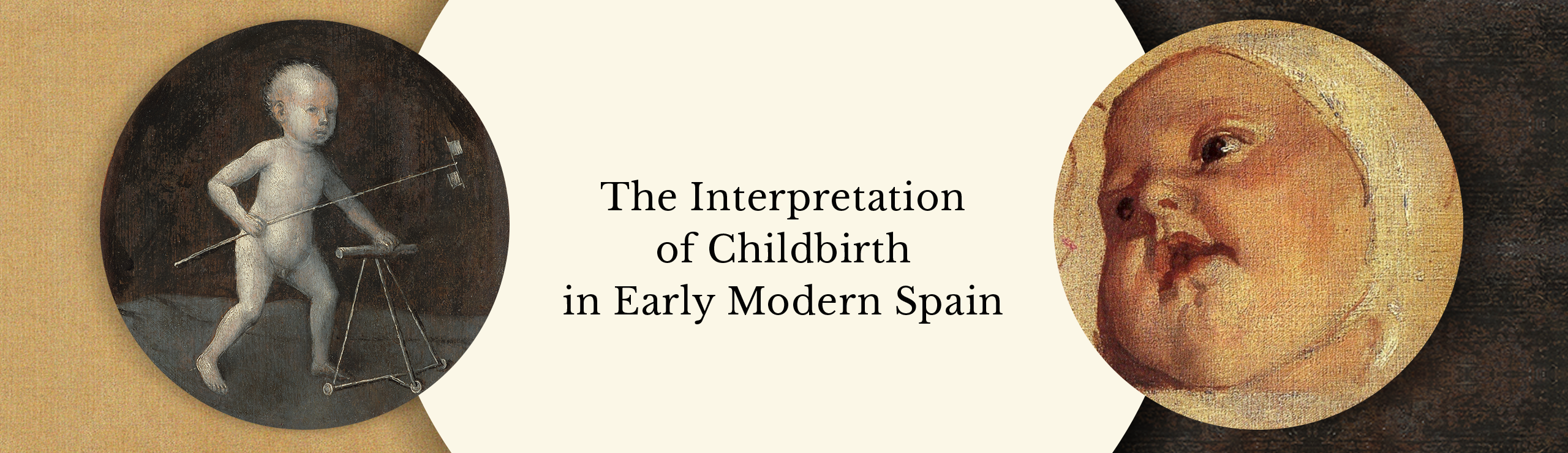
Pregnancy, childbirth,
the grim and wonderful business of procreation
Historically, all these topics are interwoven into every aspect of society.
In 17th century Spain childbirth was accompanied and guided by symbols, rituals, images and stories. Assuming the body cannot be explained without the mind, it is this cultural side to obstetrics that we explore in our studies.
Virtual Exhibitions
In cooperation with the «Museo Virtual de Ecologia Humana» we have curated virtual exhibitions to showcase the multifaceted nature of birth. The images are accompanied by short essays in english and spanish.


Latest articles


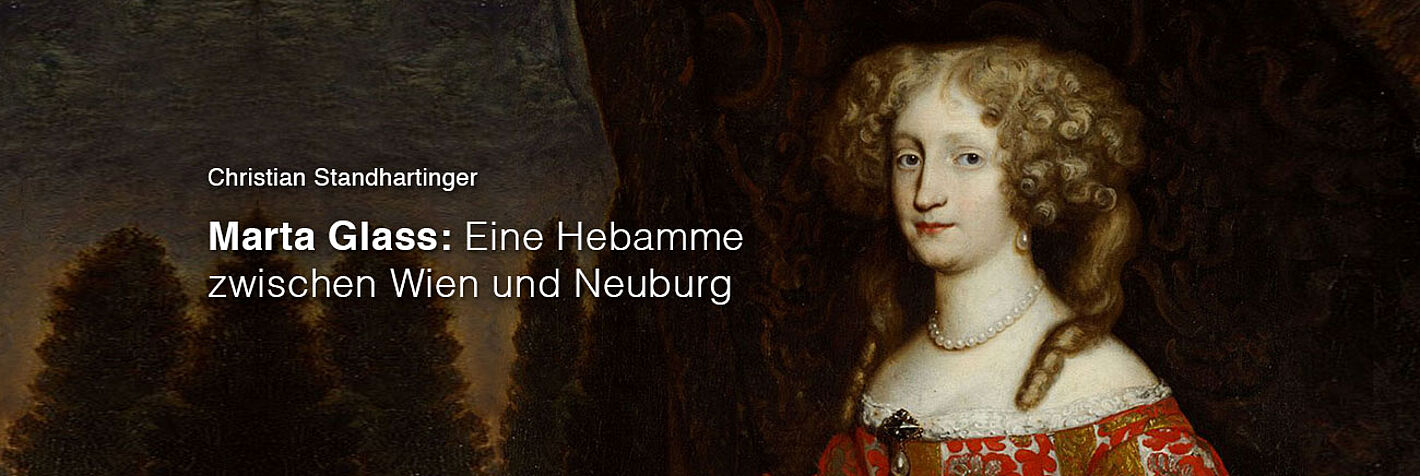
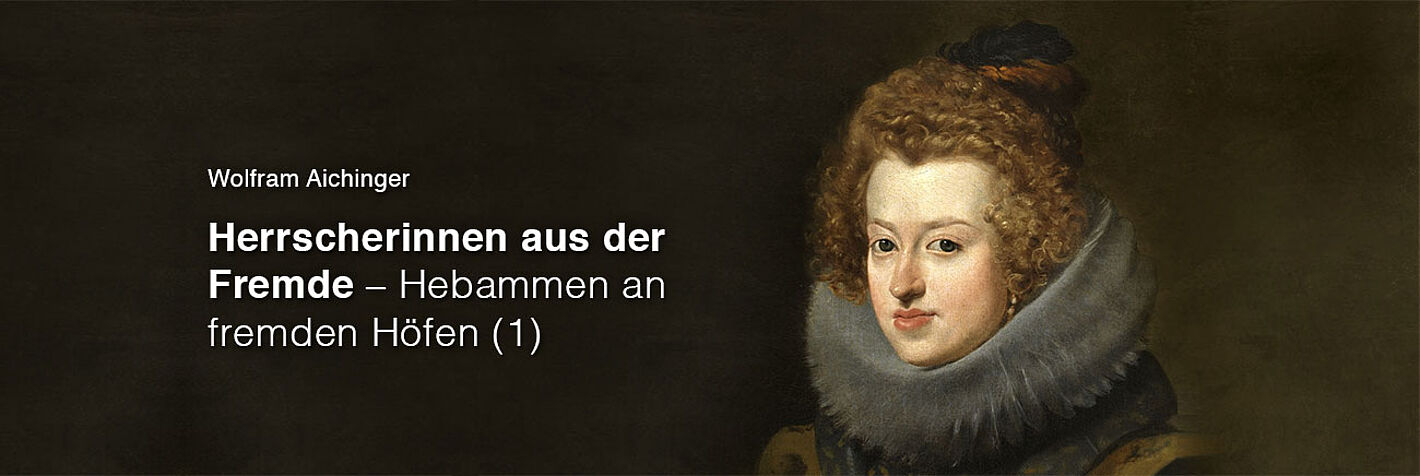
Subscribe to our newsletter
Join us and our research!
Sign up and get notified of our new issues.
Project: The Interpretation of Childbirth in Early Modern Spain II
Principal investigator: Wolfram Aichinger
Funding agency: FWF Austrian Science Fund
Funding program: Principal Investigator Projects
Project no.: FWF PAT 2471824
Grant DOI: 10.55776/PAT2471824
Funding period: May 1, 2025 - April 30, 2029
Disciplines: History, Archaeology (20%); Sociology (10%); Linguistics and Literature (70%)
Keywords: Childbirth, Life Cycle, Female Letters, Hagiography, Slaves, Foundlings
International project participants:
• Jesús M. Usunariz - Spain
• José Antonio Fernández Fernández, Universidad de Navarra - Spain
• Pilar Panero, Universidad de Valladolid - Spain
• Mariela Fargas, University of Barcelona - Spain
• Ruiz Carmona, University of Sevilla - Spain
Abstract:
No one would think that death is merely the cessation of the heart, the suspension of bodily functions; as cultural beings, we instinctively think of shrouds, coffins, epitaphs and mourning.
Why is the other end of life birth so often discussed today as if it were just a physical matter?
Just a process for which woman and baby need doctors and midwives, but not religion, culture and community?
In the early modern period, things were very different: a pregnant noblewoman, say in Madrid, visited all the altars of the Virgin Mary in the city, consulted her midwife from the first weeks of her pregnancy, she gave birth while blessed candles were burning down or a rose of Jericho opened its petals. She invited her closest relatives and friends to her confinement and received gifts and congratulations. If a close relative had died shortly before the birth, the child was often christened after them. This name could even be a recently deceased sibling`s, a way of dealing with the deaths of premature babies and babies who died young, which was part of life at the time. The far-reaching insight would be: birth was not an isolated event but determined the whole course of life, even the relationship with the dead.
Here is where the second part of our research begins, covering three main areas:
• Letters from the nobility very often deal with birth. When pregnant women corresponded with their mothers or grandmothers, they discussed all aspects of childbirth, from effective conjugal intercourse to cures for childhood diseases. We will examine the variety of voices that give testimony of birth.
• Saints are responsible for births. A nun regarded as a saint was always welcome at the scene of a difficult birth. More than 1000 reports of miraculous interventions by saints, living or dead, are collected in the 175 or so lives that we will now read carefully, looking for insights into the everyday life of the time and the forms of piety that shaped the birth experience.
• Slaves and foundlings. How could an enslaved woman experience motherhood in southern Spain (where about 10% of the population shared her fate of slavery)? What do court records, letters of freedom and other sources tell us? What do the records of foundling hospitals tell us about mothers who were unable or unwilling to keep their newborn babies? These testimonies from society`s margins will help to balance out an image dominated by palaces, duchesses and royal children.
Childbirth often presents people with dilemmas and great difficulties. This is why it can provide such precise information about society`s secret mechanisms and the variable validity of shared values.
Link: FWF Research Radar
Project: The Interpretation of Childbirth in Early Modern Spain
Principal investigator: Wolfram Aichinger
Project no.: FWF P 32263-G30
Funding agency: FWF Austrian Science Fund
Funding period: 01.05.2020 - 31.10.2025
Full project description: Download PDF
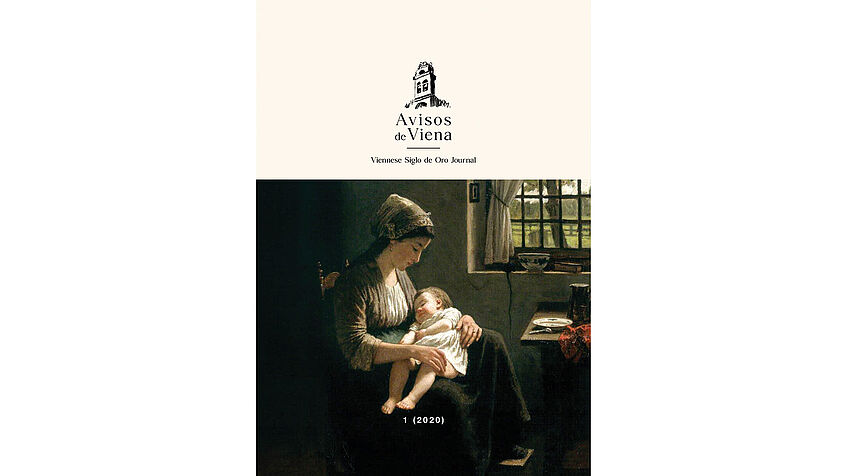
Online journal: Avisos de Viena. Viennese Cultural Studies
Online ISSN: 2710-2629
Childbirth calls for interpretation and while birth is interpreted, crucial issues of culture are worked out:
• How is life interpreted in its formation and first stages?
• In which ways does childbirth shape gender relations? How does it affect the status of women – as mothers or as female professionals – in society?
• How is childbirth related to wider cultural forms and concepts, as well as to the definition of personal, cultural and religious identities?
Thus research will focus on:
• Cultural dimensions of medicine;
• The debate on midwives;
• Debates within the church on Immaculate Conception, the obligations of fathers, emergency baptism and cultural strain between Christians and Moriscos;
• Legal debates on the duration of pregnancy, the prevention of fraud and posthumous birth;
• Myth, religion and fiction as frames of interpretation;
• Semantics of childbirth and its implicit meanings;
• The symbolic values of the birthing scene;
• Legal practice: violence, recognition of paternity, cultural conflicts, midwives as witnesses or accomplices; the consequences of posthumous birth;